In Chinese martial arts, there is a saying:
Without a sound foundation, a thousand techniques amount to nothing.
The same principle applies to spiritual practice. When the foundations are missing, sophisticated teachings can become little more than compelling ideas. We may collect methods, concepts and extraordinary experiences without becoming more grounded, more awake or more free. This retreat returns to a part of the path that is often overlooked: learning to work directly with the elemental foundations of embodied experience.
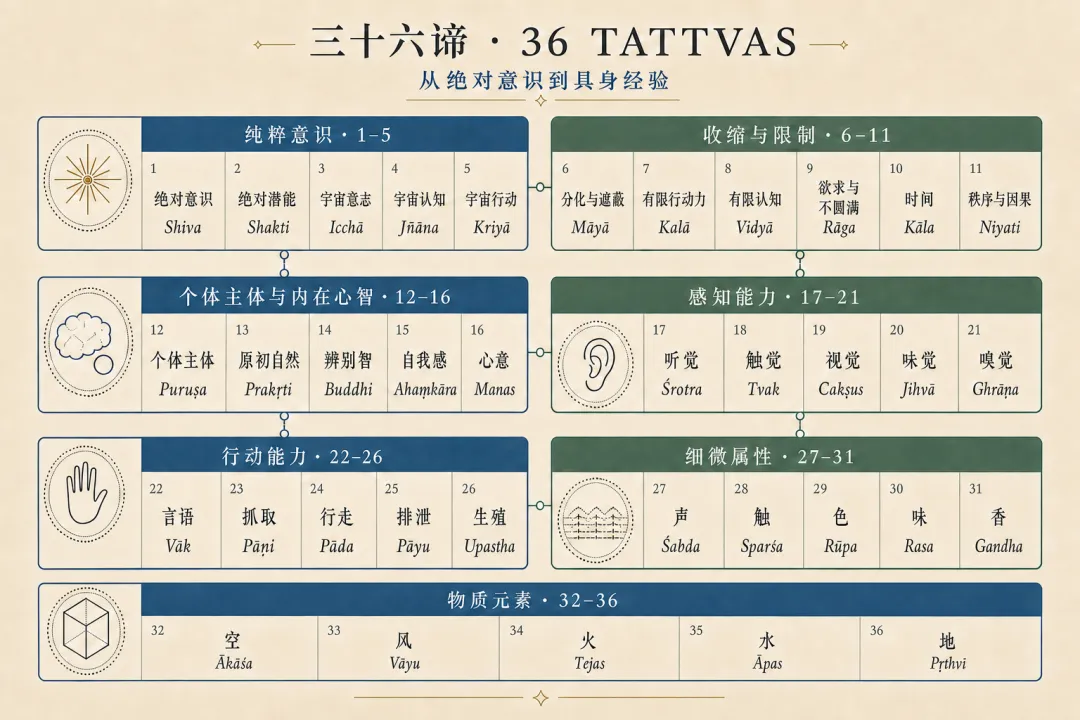
Traditional Tantra describes reality through thirty-six principles, or tattvas. The map begins with what we can experience most directly - the body, the senses and the elements - before moving into increasingly subtle dimensions of mind and awareness.
This progression matters. A useful map begins with landmarks we can actually recognize. Only then can it guide us towards subtler terrain.
Contemporary spiritual culture often reverses this order. We begin with advanced ideas about ego, emptiness or pure awareness, while remaining disconnected from sensation, emotion and the body. These ideas can be intellectually exciting, but without an experiential foundation they are difficult to integrate and easy to misunderstand.
The five elements offer a practical place to begin - a way to turn a philosophical map into a path we can feel, practise and verify for ourselves.
Where the Map Begins: The Five Elements
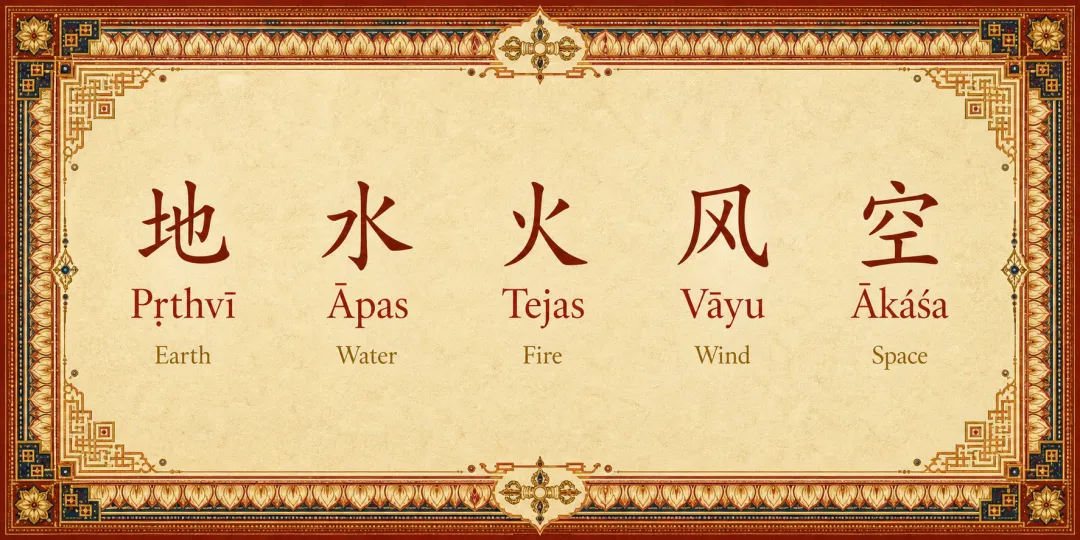
The elements provide a bridge between ancient teachings and direct experience.
Buddhism speaks of the four great elements; Daoism, of the five phases. In Tantra, earth, water, fire, air and space are not merely substances or abstract symbols. They are patterns of energy and experience expressed through the body, the senses, emotion and mind.
Working at this level makes subtle teachings tangible. Instead of trying to think our way into transformation, we learn to recognize how an experience is formed - and how its energy can change.
Consider anger. Telling ourselves to suppress it or “let it go” rarely works. But when we meet anger as sensation and energy, we may discover heat, brightness, sharpness and movement. Those same qualities, freed from reactivity, can become precision, vitality and lucid awareness.
This transformation of difficult energy into wakefulness is the essence of inner alchemy.
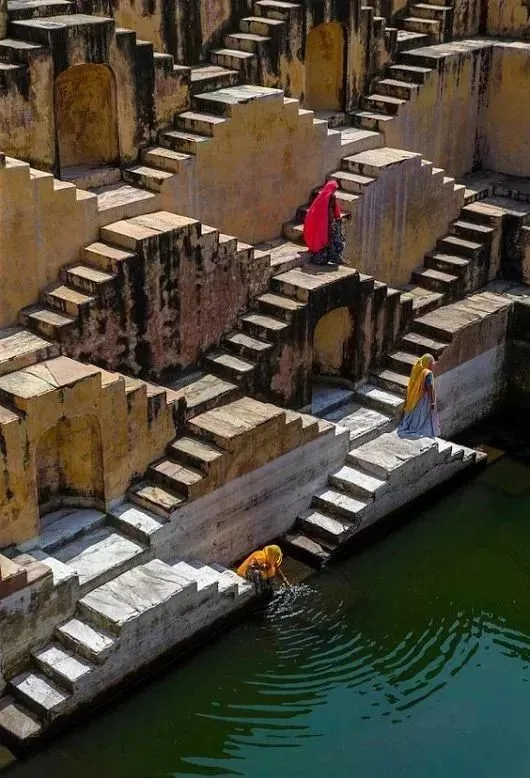
Elemental practice also changes the texture of everyday life.
Seeing, hearing, tasting, touching, moving, speaking and relating are the raw ingredients of our world. When sensation becomes dull or fragmented, life can feel strangely distant even when everything appears fine on the surface.
By refining attention at the level of the senses and the body, we recover colour, texture and vitality. Practice becomes less like an idea we carry in the mind and more like nourishment that reaches the whole system.
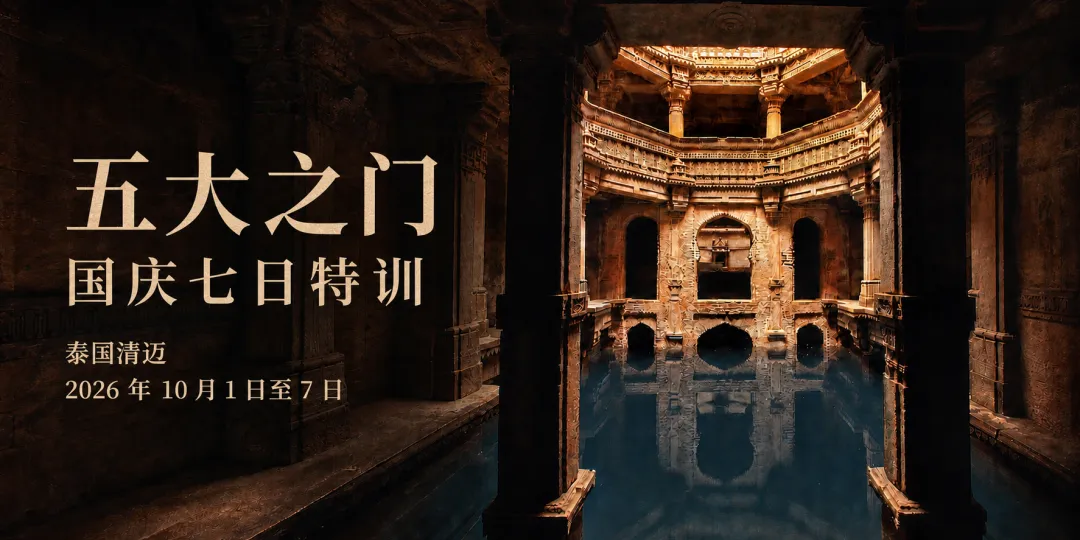
This October, step through the Five Elemental Gates.
The retreat will be taught by Dharma Bodhi, a Vajra Acharya trained in lineages from both the southern and northern Himalayas.
Over decades of teaching, he saw a recurring challenge: modern students often approach practice primarily through the intellect, while traditional explanations of the elements can remain abstract. In response, he developed an embodied training that brings body, energy, the senses and awareness into one integrated process. Rather than merely learning about the elements, participants encounter them through direct experience.
What You Will Learn: Three Gateways into Practice
Body: Zhang Zhung Trul Khor
Trul Khor is a Tibetan movement practice that combines posture, breath retention, mantra and visualization. It is traditionally used to regulate the subtle energies of the body and create supportive conditions for meditation.
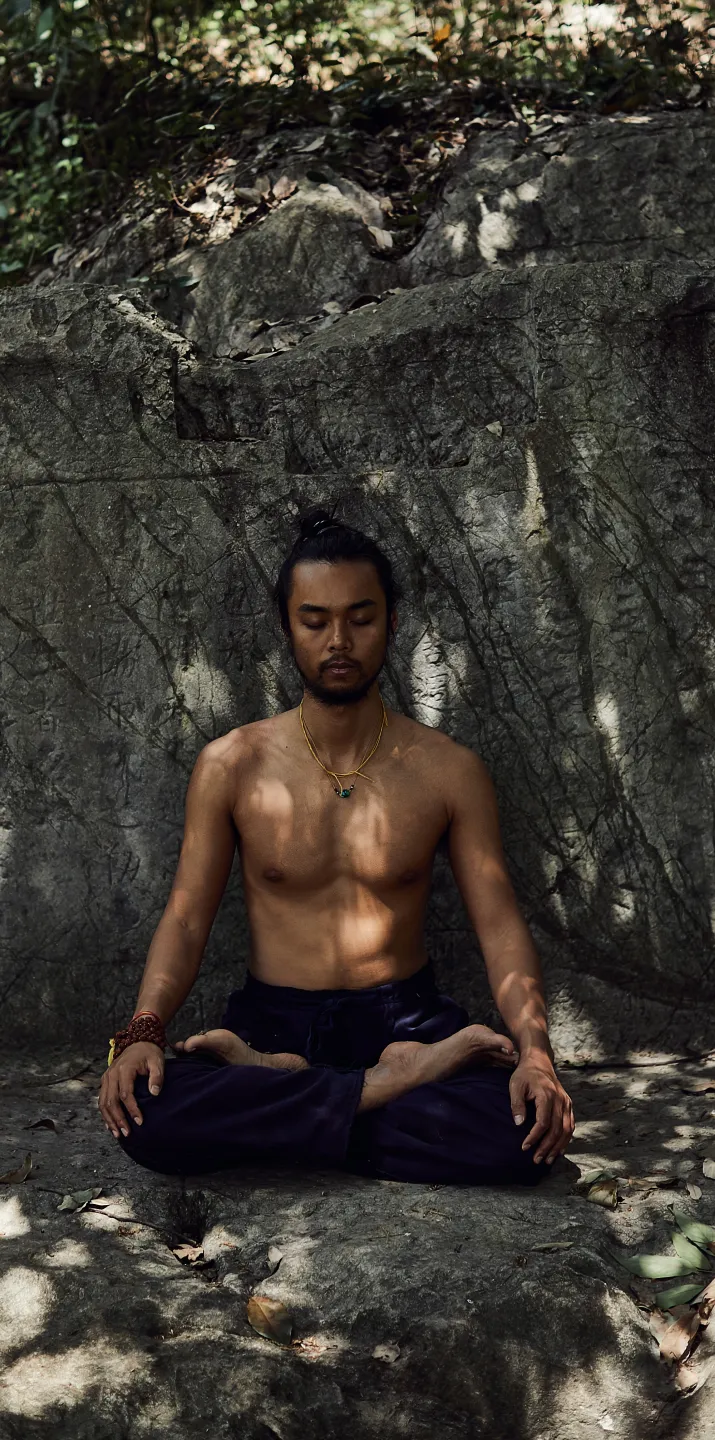
Participants will learn a five-movement sequence from the Zhang Zhung Mother Tantra.
The practice works with the five elemental energies to support clarity, emotional balance and vitality.
The full sequence takes approximately five minutes, making it practical to continue at home.
Energy and the Senses
Drawing on Ayurveda and Tantra, these practices use the senses as gateways into elemental experience. Oral instruction and guided experiments connect the traditional language of energy with sensations that can be directly recognized in the body.

Working with specially prepared herbs and spices, we will explore sight, sound, scent, taste, touch and awareness. The process is playful as well as precise, reawakening curiosity and restoring a vivid sense of contact with life.
Mind: A Broader Language of Meditation
Meditation need not mean forcing the mind into silence or becoming a detached observer. Tantric practice includes a wide range of methods involving body, energy, sound, imagery and awareness.

Bringing Practice into Daily Life
The retreat moves from embodied practice into two areas where spiritual insight is most often tested: emotion and intimate relationship.
Emotional Alchemy
It is possible to feel calm in meditation and still become overwhelmed the moment life applies pressure. Nondual Tantra does not treat emotion as an obstacle to be eliminated. It offers a way to meet emotional energy directly, refine it from coarse to subtle, and discover the awareness concealed within reactivity.
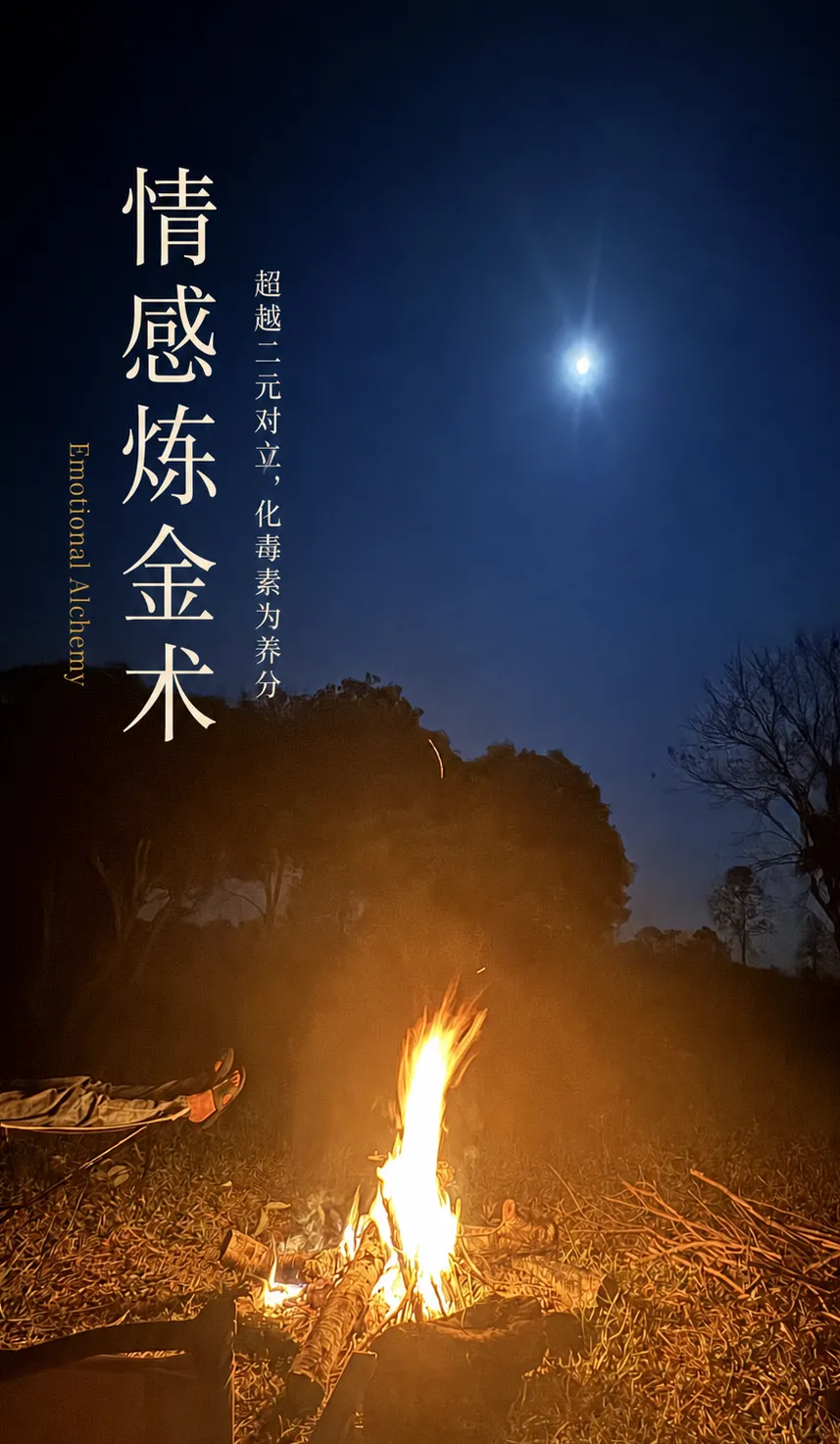
We will study the relevant view and practise two powerful methods:
Tattva Suddhi
Element Purification Meditation
Eight-Step Emotional Transformation
Emotional Alchemy
Love, Desire and Relationship
Relationship is where our deepest patterns become visible. Passion, desire, attachment and intimacy can create profound confusion, but they can also become honest and demanding fields of practice.
Within the Trikāya tradition, intimate relationship may be approached as part of the path - never as a spiritualized escape from personal responsibility, but as a context for greater clarity, integrity and care.
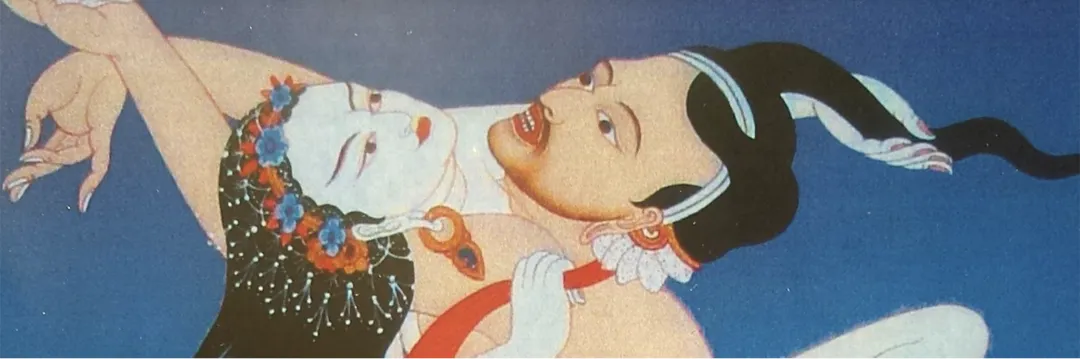
For practitioners who are sincerely committed to the path and willing to take responsibility for their own experience, recurring patterns in love need not remain a source of shame. They can become material for insight and transformation.
Building on the work with embodiment and emotion, Dharma Bodhi will clarify what genuine relational practice involves and offer grounded principles for bringing practice into intimacy.
Dharma Bodhi
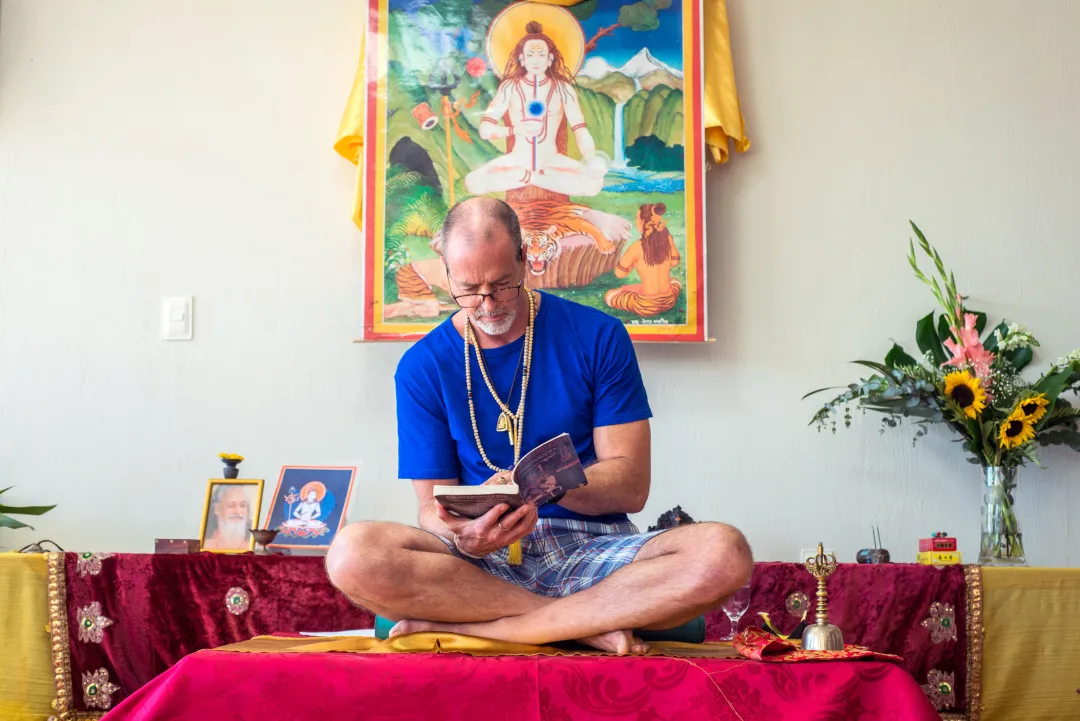
Dharma Bodhi has trained in lineages from both the southern and northern Himalayas. Under Swami Satyananda Saraswati, he received the complete exoteric and esoteric teachings of an Indian Mahasiddha lineage, together with authorization to transmit them. His wider studies include Ayurveda, Indian astrology, deity practice and divination.
Following his guru's instruction, he later continued his training in the Tibetan traditions. He studied with Lungtok Tenpai Nyima, the 33rd Menri Trizin, receiving teachings in the supreme Dzogchen tradition of Bön and authorization as a lineage teacher. His Holiness also entrusted him with oral instructions, sacred objects and texts, and asked him to translate and teach essential Dzogchen instructions in English.
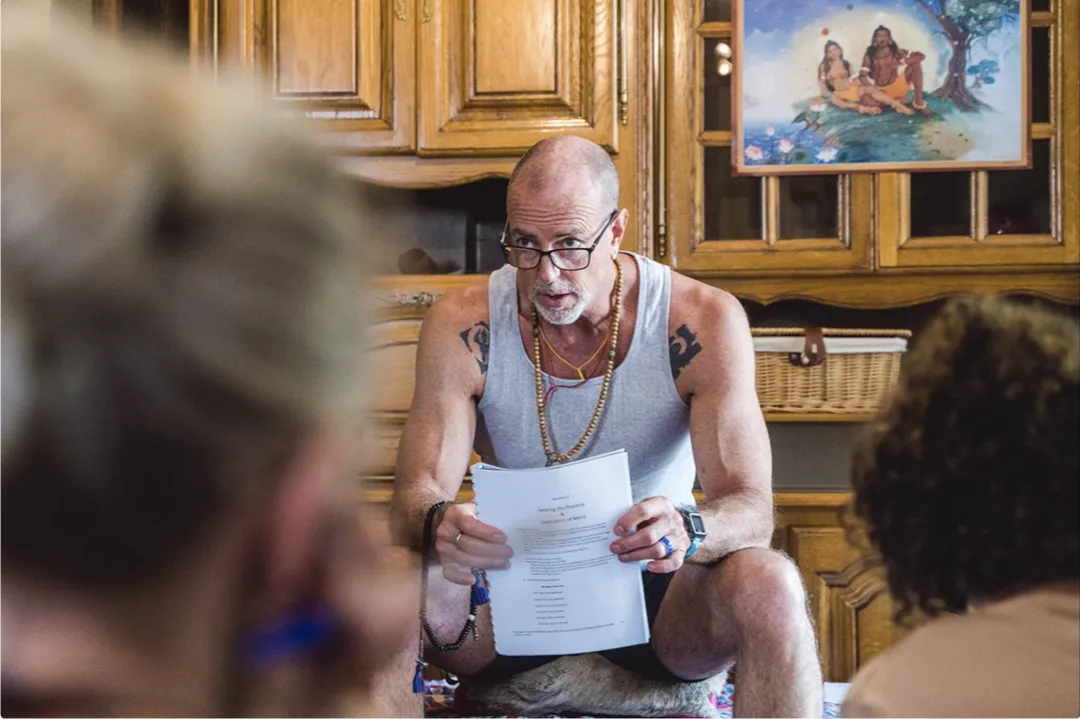
Dharma Bodhi also has an extensive scientific background. He studied biochemistry, genetics and psychology before completing clinical training in chiropractic medicine and postgraduate study in spinal biophysics. He later ran a chiropractic clinic in Australia. This combination of traditional training and scientific inquiry gives his teaching a distinctive quality: precise, experiential, carefully sequenced and open to verification.
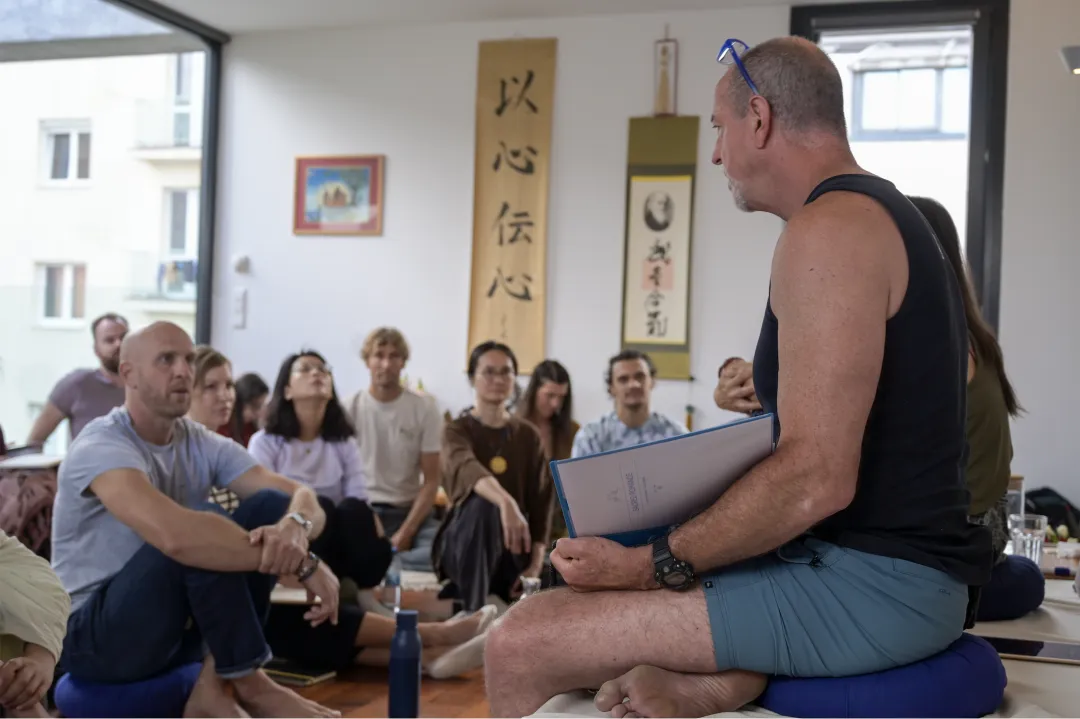
His relationship with Chinese culture and Daoism is equally longstanding. Raised in Chinatown, he began training in Chinese martial arts and Daoist methods at an early age and later served as vice president of the Australian Lung Ying Association. He became a close disciple of Shaolin master Woo Chai Meng and received Daoist transmission from the Zhengyi teacher Liu Ming in disciplines including the I Ching, inner alchemy, dream practice and zuowang. His Daoist name is Bian Yun, and he has taught Chinese students for more than ten years.
Now approaching seventy, Dharma Bodhi teaches publicly less often and spends increasing periods in retreat. This will be the only occasion on which he offers this particular training in person.
Flora Creek Chiang Mai
This is not a lecture-based programme. The environment is part of the practice: a place where the nervous system can settle and learning can involve the whole body.
Bringing the setting and the teachings together, we have carefully curated a series of experiences that invite participants to move beyond conceptual understanding and enter the living world of direct experience.
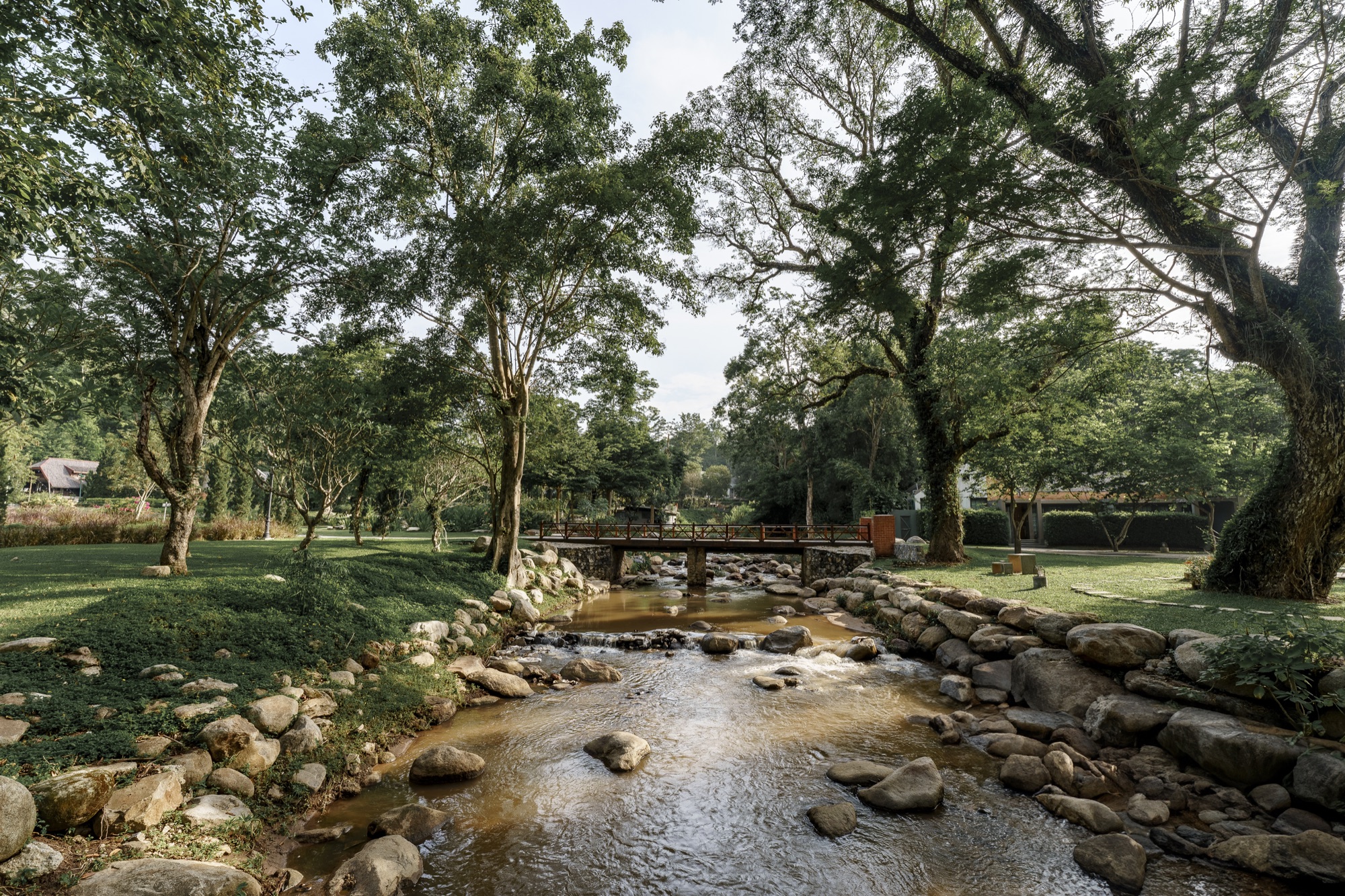
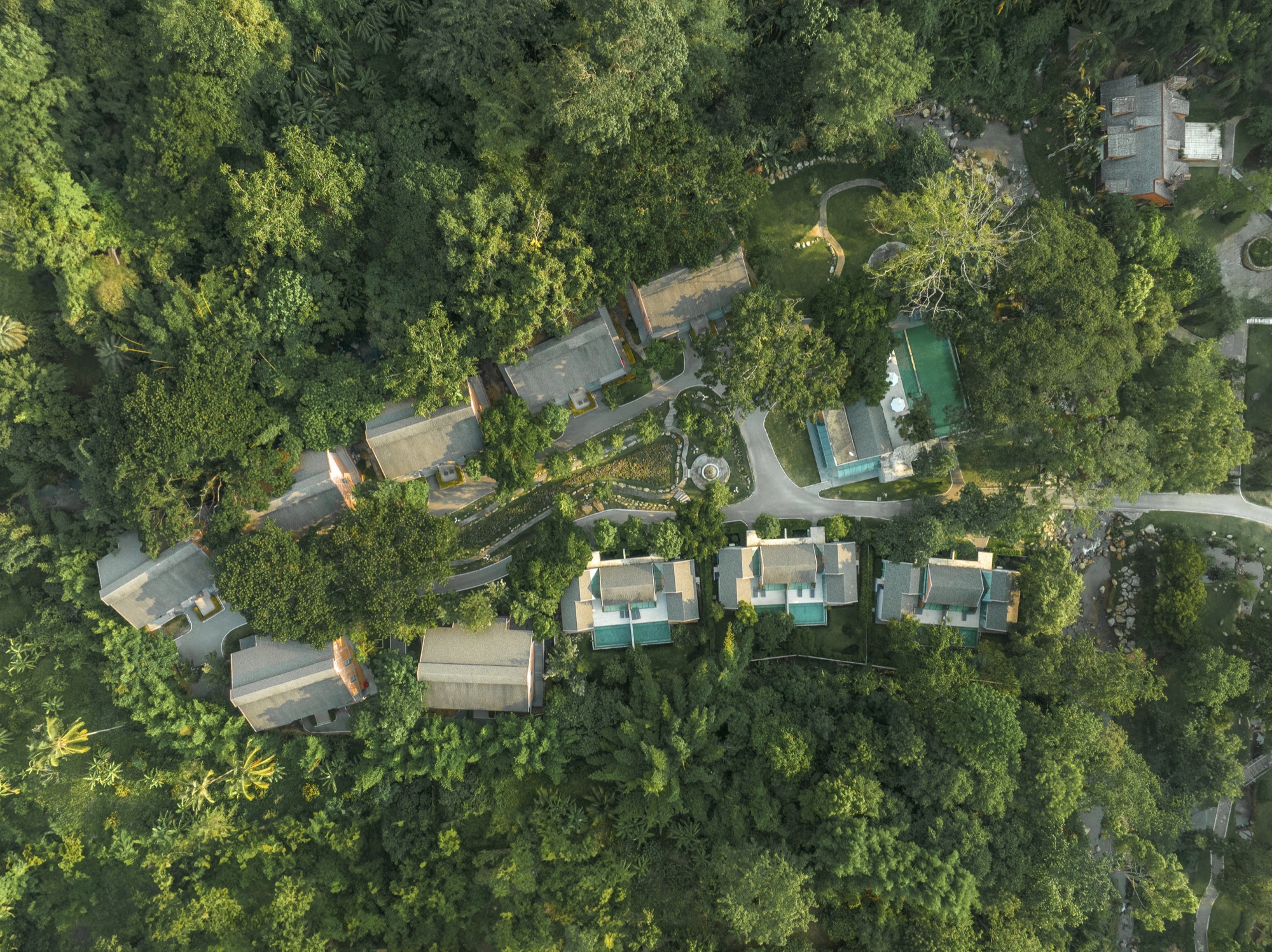
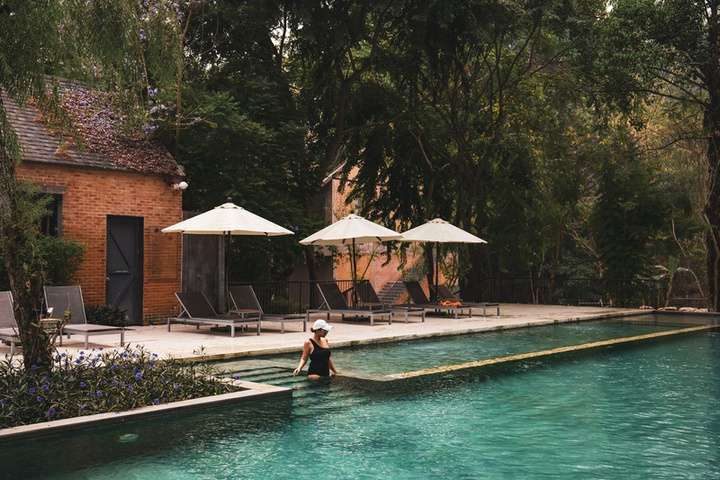
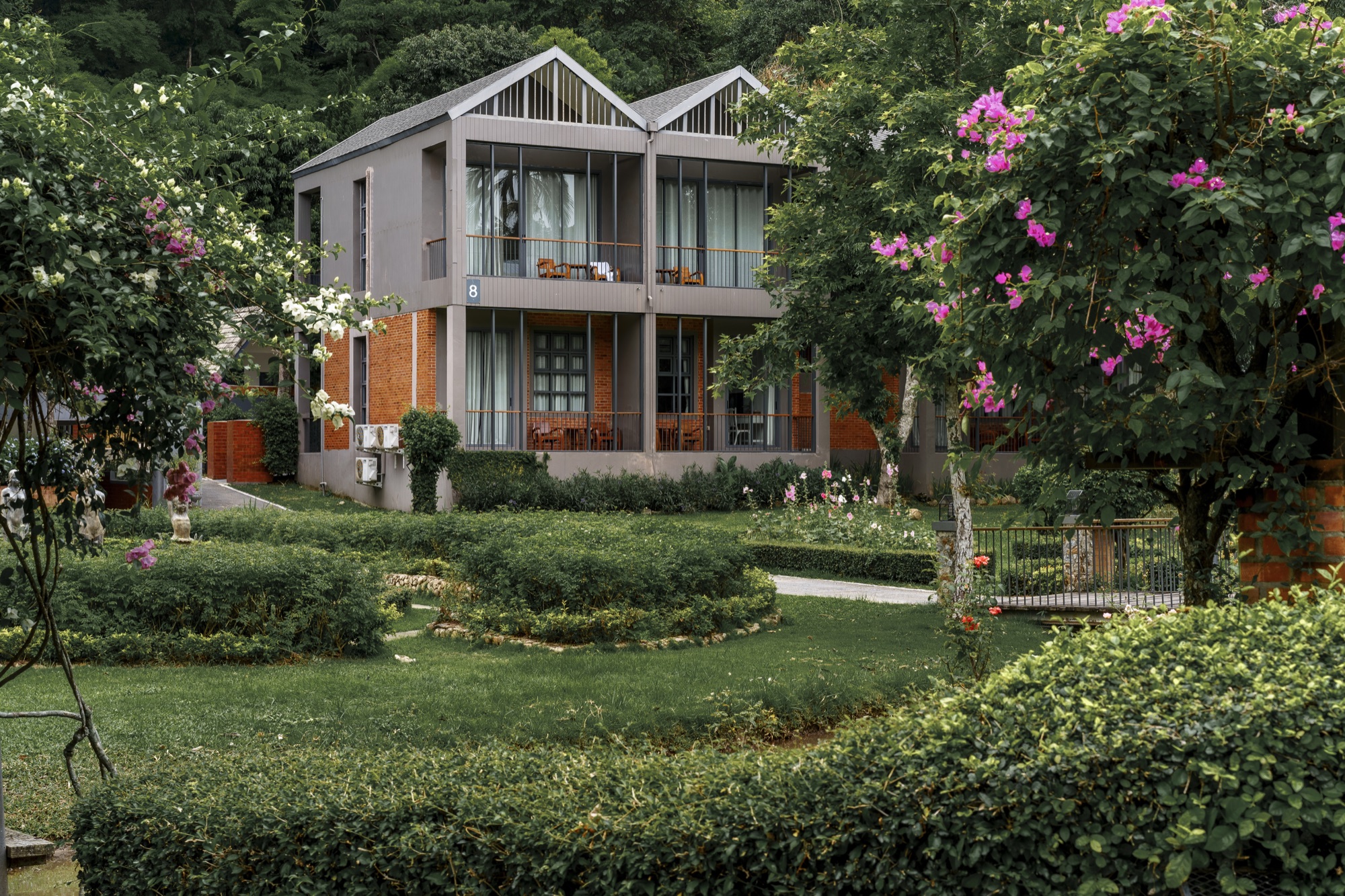
Flora Creek Chiang Mai is a five-star garden resort set among forested hills outside the city. Guest villas sit among flowering gardens, mature trees and a winding stream, creating a quiet sense of seclusion while remaining within easy reach of Chiang Mai.
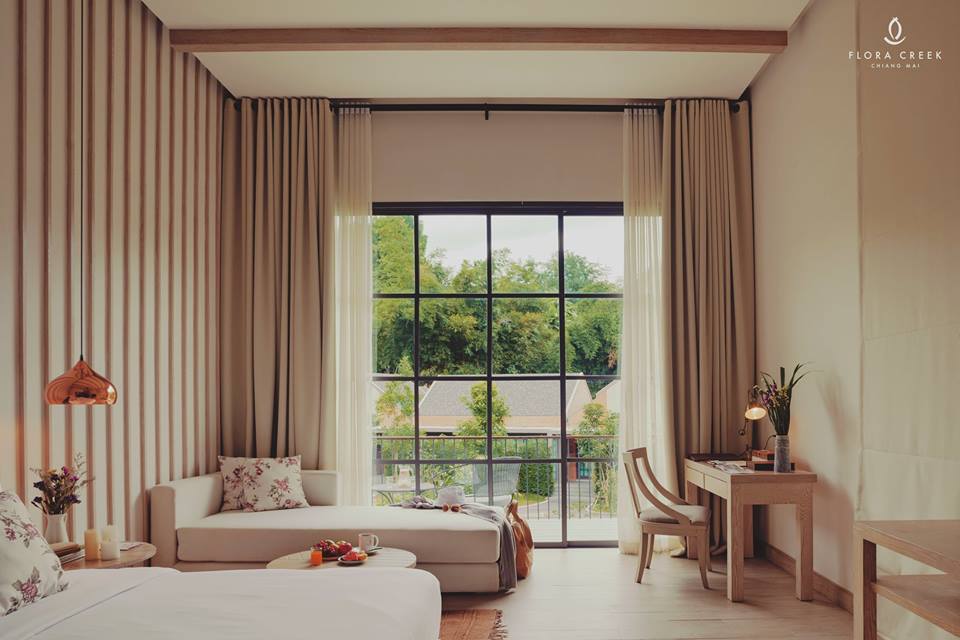
Rooms are spacious and light-filled, with balconies or broad windows opening onto garden views. The resort also offers restaurants and cafés, an outdoor swimming pool, gym and spa, with generous indoor and outdoor spaces for walking, rest, solitude and integration after practice.
All teaching sessions, practices and retreat activities will take place within the resort. The package includes three meals a day and afternoon tea throughout the six teaching days, allowing participants to remain on-site and settle fully into the rhythm of the retreat.
Who Is This For?
This retreat may be for you if you:
- spend much of your life in your head and feel disconnected from the body;
- have substantial knowledge but struggle to translate it into lived change;
- find it increasingly difficult to relax, feel fulfilled or experience wonder;
- maintain a personal practice but feel that something essential is missing;
- have meditated for years while daily life remains largely untouched;
- have explored many methods but lack a coherent map;
- feel drawn to traditional practice and want a grounded place to begin.
The retreat is designed to help you:
- restore sensitivity, vitality and a felt sense of connection with life;
- move beyond intellectual understanding into direct experience;
- relate to emotion and desire with greater clarity and agency;
- integrate spiritual practice with work, family and relationship;
- establish a stable, experiential foundation for deeper training;
- enter an authentic nondual householder tradition in a systematic way.
Whether your primary motivation is spiritual realization or the wish to live with greater vitality and presence, the Five Elemental Gates offer a grounded entry into practice: six days of intensive training within a living nondual Dharma tradition, held in an environment designed for restoration and integration.
Embodied, practical and alive: a retreat to arrive at the mystics of Reality.
Dates
Check-in: 30 September
Departure: 7 October
Location
Flora Creek Chiang Mai
Chiang Mai, Thailand
Language
Teaching in English: Dharma Bodhi
Chinese interpretation provided.
Daily Schedule
Teaching days: 1-6 October 2026
| Time | Programme |
|---|---|
| 07:30-08:30 | Morning practice |
| 08:30-09:30 | Breakfast |
| 09:30-12:00 | Teaching and practice |
| 12:00-13:30 | Lunch break |
| 13:30-16:00 | Teaching and practice |
| 16:00-17:00 | Integration practice |
| 17:00-18:00 | Dinner |
| 18:00-18:45 | Questions and evening session |
This schedule is provisional. The teacher may adjust the content and timing according to the group's progress and condition, and may add spontaneous teachings.
Retreat Fee
Retreat package: US$1,980
Included
- six days of teaching, course materials and supplies;
- seven nights at a five-star hotel, based on shared twin occupancy;
- three meals a day for six days, plus tea-break refreshments;
- travel insurance for the duration of the retreat;
- scheduled group transfers between Chiang Mai Airport and the hotel on 30 September and 7 October, with advance registration.
Not included
- airfare and other long-distance travel to and from Chiang Mai;
- local transport outside the scheduled transfer windows;
- supplements for single occupancy or accompanying family members;
- massage and other personal expenses;
- passport and personal-document expenses.
Registration
Payment is made directly to Trikāya’s official account. After completing payment and registration, you will receive an email with a link to the retreat WhatsApp group. Please join the group for important updates on airport transfers, dietary requirements and other retreat arrangements.
REGISTER NOWPlease note: As we reserve and pre-pay for your retreat space in advance, all payments are non-refundable and considered a full commitment.
About Trikāya
Trikāya is a clear and comprehensive system of practice and guiding theory with many interrelated branches, all leading the practitioner to irreversible realization of their own True Nature.
Students can learn at their own pace, stay focused in one track of study or customize their path to follow their particular interests and aptitudes. Trikāya's modernized delivery system makes the teachings of nondual Dharma accessible without sacrificing the effectiveness, integrity and sacredness of the tradition.
Read More
SarvaMangalam!!!